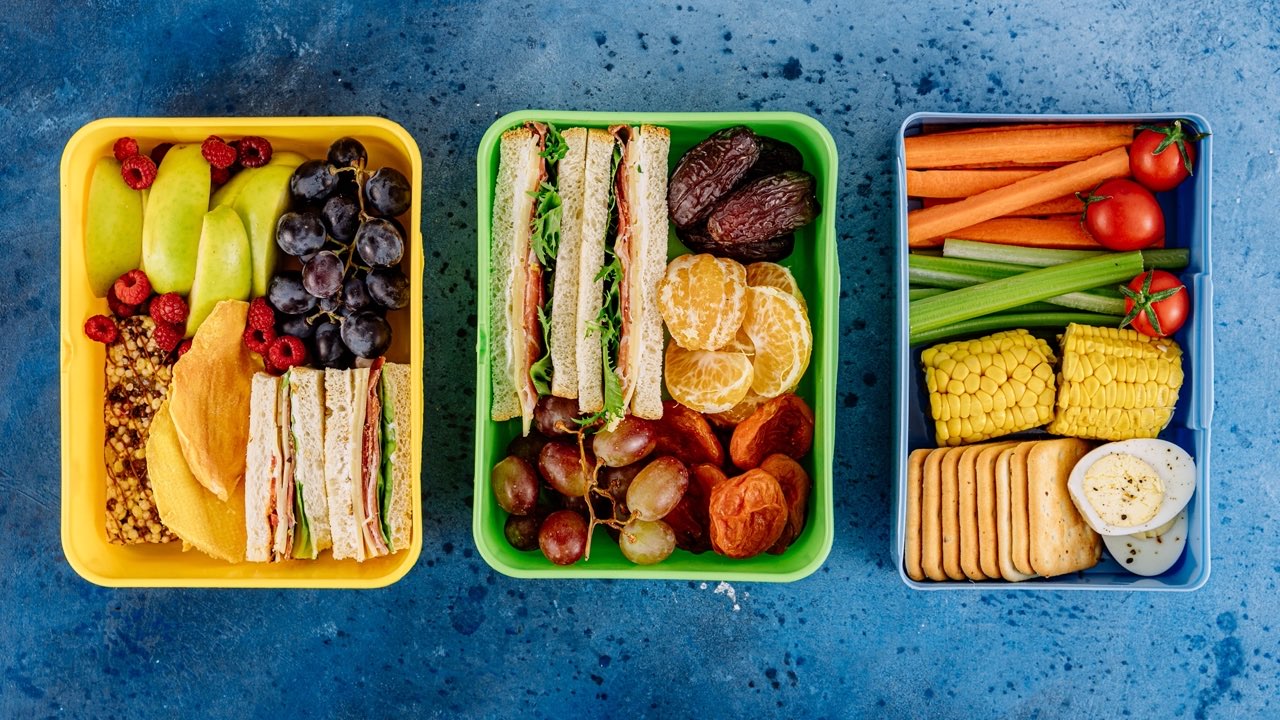
People who pack their own lunches regularly tend to notice something that’s hard to explain at first: the food often tastes better than the equivalent from a restaurant or deli counter. Not always, and not for everything — but for certain dishes, the version from a container you packed that morning is genuinely more satisfying than the same thing ordered out.
Part of this is obviously the food itself. You chose the ingredients, you know what went into it, and there’s a certain psychological satisfaction in eating something you prepared. But some of it is the container, and in ways that are more concrete than most people realize.
What Happens to Food Between Packing and Eating
Packed food sits for anywhere from one to four hours before it gets eaten. During that time, several things are happening simultaneously that affect how it tastes at lunch.
Temperature change is the most obvious. Hot food cools; cold food warms. Whether that cooling or warming happens quickly or slowly depends entirely on the container. A thin plastic box with no insulation brings hot rice down to room temperature within thirty to forty minutes. An insulated stainless steel container keeps the same rice genuinely warm — not just faintly warm, but steaming when you open it — two or three hours later.
The flavor difference between food eaten at the right temperature and the same food eaten lukewarm is significant and underappreciated. Hot food releases volatile aromatic compounds that carry much of what we perceive as flavor. Lukewarm food doesn’t. A bowl of soup that’s properly hot tastes like soup; the same soup at 40°C tastes like a shadow of itself.
Moisture retention is the second variable. Food in a well-sealed container holds its moisture. Food in a loosely fitting lid or a bag-within-a-container loses moisture to evaporation and changes texture in ways that are usually negative: bread gets stiff, rice dries out, roasted vegetables lose their bite. A container with a tight, reliable seal slows this process significantly.
The third factor is odor transfer and absorption. Some container materials absorb odors from food over time and transfer them to the next meal — a common complaint with cheaper plastics that have been used for anything with strong aromatics like curries, fish, or spiced dishes. Food-grade stainless steel and high-quality BPA-free plastics don’t absorb odors, which means each meal tastes like what it actually is rather than a combination of current and past contents.
Why Temperature Maintenance Matters More Than Most Containers Deliver
The standard plastic lunch container does almost nothing for temperature. It’s a container that holds food in a fixed volume — nothing more. For food that’s supposed to be eaten at room temperature, that’s fine. For anything meant to be eaten hot or cold, it’s a meaningful limitation.
Vacuum-insulated stainless steel containers solve this in a way that matters practically. The same double-wall construction that keeps drinks hot in a tumbler keeps food at temperature in a food jar or insulated lunch box. A properly insulated container can maintain hot food above 60°C for three to four hours — which covers the gap between a morning packing session and a noon lunch break with significant margin.
This is why the shift from generic plastic containers to insulated food jars and stainless lunch boxes has been driven less by aesthetics and more by the experience of actually eating from them. People who’ve used a quality insulated food jar for a few weeks and then gone back to a plastic container notice the difference immediately. The food from the insulated container is just better.
What the Container’s Material Does to Taste
The relationship between container material and food flavor is real and worth understanding.
Low-quality plastics — particularly those not designed for food contact or that have degraded over time — can leach compounds into food, especially when the food is warm or acidic. This isn’t always dramatic; it often shows up as a subtle off-flavor rather than an obvious chemical taste. But it’s cumulative, and people who switch from old plastic containers to stainless steel or high-quality BPA-free materials often describe the food tasting “cleaner” or “fresher” without being able to specify exactly why.
Stainless steel (specifically 18/8 food-grade) is chemically inert. It doesn’t react with food, doesn’t absorb flavors or odors, and doesn’t leach anything measurable under normal food contact conditions. The food that goes in tastes like the food that comes out, without contamination or alteration from the container itself.
This is particularly relevant for acidic foods — tomato-based sauces, citrus-dressed salads, fermented foods. Acid accelerates leaching from plastics and causes reactions with some metals, but not with food-grade stainless steel. Acidic foods in a stainless container hold their flavor profile better than in most alternatives.
Seal Quality and Why Leaking Is Never Just an Inconvenience
A lunch box that leaks is obviously a problem for the bag it’s in. But the leak issue is also a symptom of a seal that’s letting moisture and vapor escape throughout the day, which means the food inside is losing quality from the moment it’s packed.
A well-engineered seal — silicone gaskets on the lid, positive closure mechanisms that create pressure contact around the full perimeter — keeps what’s inside in and what’s outside out. This matters for liquid-heavy foods like soups, stews, and grain bowls with dressing. It also matters for dry foods that are adjacent to moister ones: crackers that stay crisp because the humidity from the fruit section didn’t migrate, or salad greens that aren’t soggy because the dressing compartment sealed properly.
Compartmentalized containers solve a related problem: food that shouldn’t mix until eating doesn’t mix in transit. A lunch where the components interact prematurely — dressing on greens, sauce on rice, wet fruit against bread — is a worse experience than the same food kept separate until the moment of eating. The container that handles this correctly makes the meal it delivers noticeably better.
What This Means for Sourcing Decisions
For organizations sourcing lunch boxes at scale — school programs, corporate meal programs, meal prep services, retail buyers — the quality of the container has a direct relationship to the quality of the experience it delivers. A cheap container that allows temperature loss and moisture escape doesn’t just underperform; it actively makes the food worse than it would otherwise be.
Working with an established lunch box manufacturer who understands food science as well as manufacturing — who designs seals for function rather than appearance, who selects materials for food contact performance rather than just cost — produces containers that do what they’re supposed to do. The difference shows up at noon, when someone opens a container and the food inside is still how it should be.
That outcome — food that arrives at eating time in good condition — is what a lunch box is actually for. It’s a straightforward goal, and the container either meets it or it doesn’t.