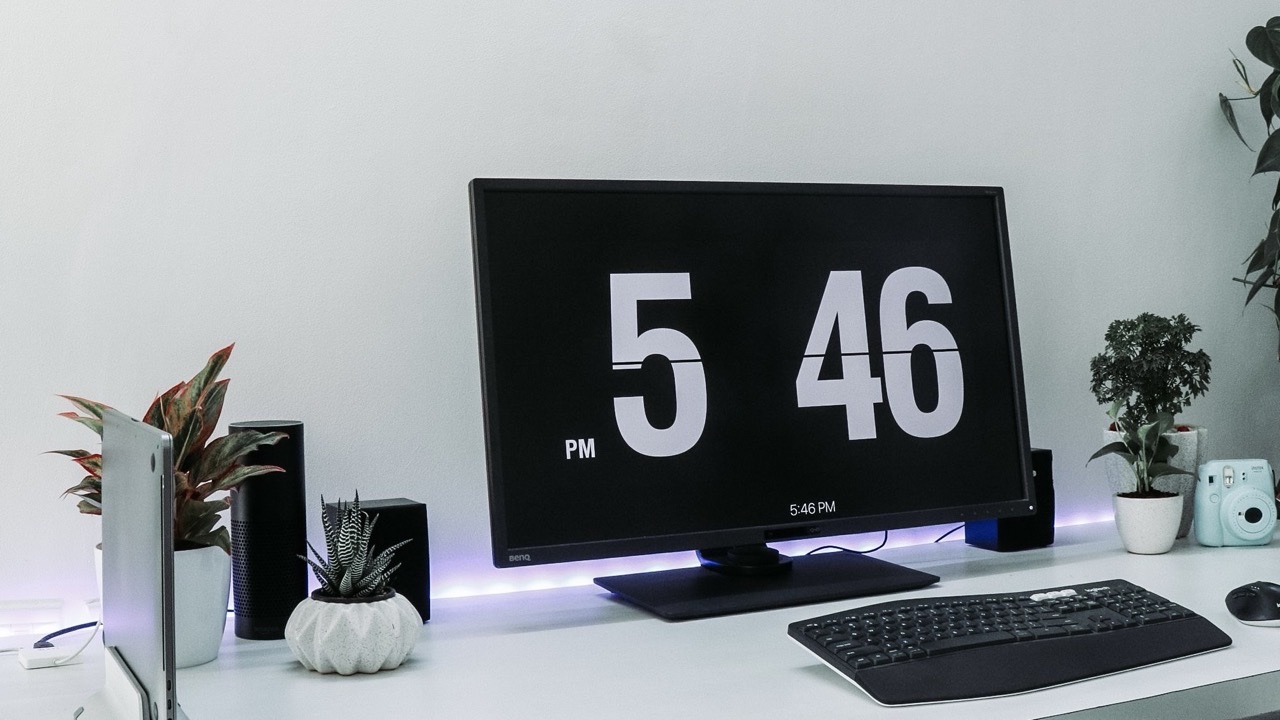
Five years ago, the desk setup hobby was mostly about the big-ticket items. People upgraded their monitors, bought standing desk frames, and maybe splurged on a nicer chair. The accessories — the phone stands, cable organizers, monitor arms, keyboard trays — were mostly afterthoughts. You bought whatever was cheapest on Amazon that had decent reviews and called it done.
That’s changed. And the shift has less to do with any single product category than with a wave of smaller brands that decided desk accessories were worth taking seriously.
Where the Generic Version Falls Short
The problem with most mass-market desk accessories isn’t that they don’t work. A $12 plastic phone stand holds your phone. A cheap monitor arm moves your screen. They do the job in a technical sense.
But they look cheap. The plastic yellows. The joints get loose after a few months. The finish scratches easily. And on a desk where you’ve put real money into a keyboard or a monitor, a row of generic accessories looks out of place — like someone furnished an apartment carefully and then used folding tables as nightstands.
There’s also a coherence problem. When you’re buying accessories from ten different brands, nothing matches. Different finishes, different proportions, different design languages. The desk looks assembled rather than considered.
A Different Approach to the Category
The brands that have started to push back against this aren’t doing anything radical. They’re applying the same logic that made mechanical keyboards and premium mice mainstream — that people who spend a lot of time at a desk care about how it looks and feels, and are willing to pay a bit more for something that holds up and looks like it belongs.
The common thread across these brands is material choice. Aluminum instead of plastic. Anodized finishes instead of painted ones. CNC machining instead of injection molding. These aren’t just aesthetic choices — aluminum doesn’t warp or discolor, anodizing doesn’t chip, and machined components hold tolerances that injection molded parts can’t match. The result is accessories that feel closer to the keyboards and devices they sit next to.
The other thing these brands tend to get right is restraint. A good desk accessory does one thing well and stays out of the way. It doesn’t have unnecessary features, it doesn’t have a logo plastered across the front, and it doesn’t look like it’s trying to draw attention to itself.
What This Looks Like in Practice
Peakzooc is a good example of what this category looks like when it’s executed well. Their product line covers the things that actually live on a desk — phone stands, keyboard display stands, monitor accessories — and the through-line is machined aluminum construction with a consistent design language across pieces. A MagSafe phone stand that sits next to a keyboard stand from the same brand looks like it belongs there. That sounds simple, but it’s surprisingly rare.
The phone stands in particular are worth noting because MagSafe attachment sounds like a gimmick until you use one for a week and realize you can’t go back to a clip mount. The magnetic snap-in makes the stand something you actually use rather than something that sits there looking intentional but getting bypassed in practice.
Why This Matters Beyond Aesthetics
There’s a version of this conversation that’s purely about looks — matching finishes, clean lines, that kind of thing. But the more interesting point is that well-designed accessories change how you use your desk.
A phone stand at the right height and angle means fewer times you’re picking up and putting down your phone. A keyboard display stand means boards that used to live in a pile actually get rotated through. A monitor arm that stays exactly where you put it means you stop readjusting every time you sit down.
These are small things, individually. But a desk where everything is in the right place and stays there has a different feel from one where you’re constantly making small adjustments. It’s more comfortable to work at. It’s easier to focus. It’s the kind of setup that you actually want to sit down at rather than just tolerating.
The Bigger Shift
What’s happening in the desk accessory category mirrors what happened in mechanical keyboards a decade ago. The default option used to be whatever membrane keyboard came with the computer. Then a small community started caring about build quality and feel, and now premium keyboards are everywhere.
Desk accessories are earlier in that curve. The generic version is still what most people buy. But the brands building better alternatives are getting easier to find, and the price premium over generic options has narrowed as competition has increased.
For anyone who’s already put thought into their desk setup, the accessories are the logical next thing to upgrade. Not because the cheap ones are broken, but because they’re the last thing that doesn’t match the rest of what’s on the desk.